
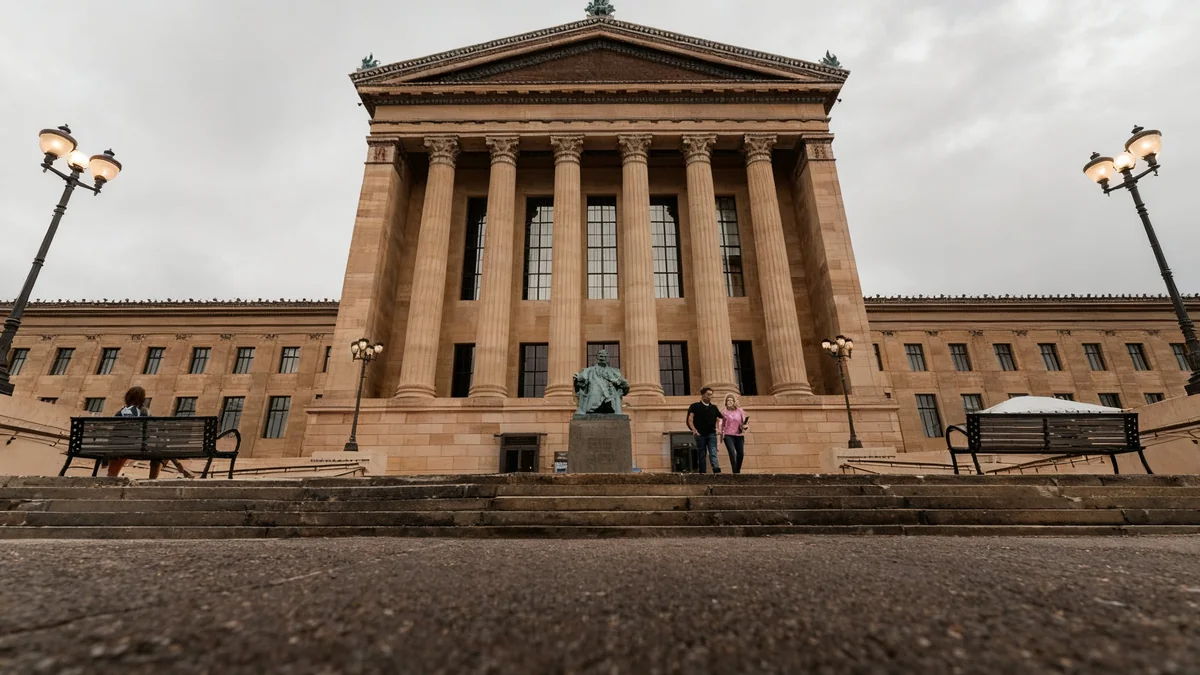
The Philadelphia Art Museum has escalated its legal dispute with former CEO Sasha Suda, alleging in a new court filing that she misappropriated funds by giving herself unauthorized pay raises and then lied to cover it up. These claims are the museum's formal response to a wrongful termination lawsuit Suda filed after her dismissal earlier this month.
The institution asserts that Suda, who was hired in 2022, acted without the required board approval for compensation changes. Suda's legal team has vehemently denied the allegations, describing them as a fabricated pretext for her removal.
Key Takeaways
- The Philadelphia Art Museum alleges former CEO Sasha Suda awarded herself three unauthorized salary increases.
- Suda was terminated by a unanimous 12-0 board vote on November 4.
- Suda has filed a wrongful termination lawsuit, claiming a faction of the board opposed her modernization efforts.
- Her attorney calls the museum's claims "false" and part of a "sham investigation."
- Daniel Weiss has been named the museum's new CEO, effective December 1.
Museum Details Allegations in Court Filing
In documents submitted to the court on Thursday, the Philadelphia Art Museum laid out its case against its former chief executive. The filing claims that Suda repeatedly requested pay raises but was informed that any changes to her compensation required explicit approval from the Board's Compensation Committee.
Despite this, the museum alleges she proceeded to award herself three separate increases—two scheduled for 2024 and a third for July 2025. According to the museum, she did not inform the board of these actions.
"She never informed the Board of these increases because she knew the Board had 'sole and absolute discretion' over any increase to her compensation, and had denied her previous requests," the museum stated in its filing.
The document further alleges that when questioned by a special committee, Suda was not truthful about her actions. The museum claims she falsely stated that her subordinates had advised her she was entitled to the pay bumps.
Suda's Team Fires Back
Sasha Suda and her legal representatives have strongly refuted the museum's account. Her attorney, Luke Nikas, dismissed the accusations as recycled claims from what he termed a "sham investigation" designed to justify her termination.
"The Museum's accusations are false... The motion, as well as its false narrative, fits the Philadelphia Museum's longstanding pattern of trying to cover up its misconduct and mistreatment of staff," Nikas stated.
Suda's lawsuit contends her dismissal was baseless. She alleges that a "corrupt and unethical faction" within the museum's board was hostile to the modernization efforts she was leading. Hired in 2022, Suda had initiated a significant change campaign that included rebranding the institution and introducing a new logo.
She is now seeking two years of severance pay, additional damages, and a jury trial to hear her case.
A Contentious Tenure
Sasha Suda was appointed Director and CEO of the Philadelphia Art Museum in 2022 with a reported annual salary of $720,000. She was in the third year of a five-year contract when her employment was terminated. Her leadership was marked by a push for institutional change, which her lawsuit suggests created friction with established board members.
A Unanimous Decision and a New Leader
The decision to terminate Suda's contract was made on November 4 following an emergency meeting of the board. The vote was a decisive 12-0 in favor of dismissal, signaling unified agreement among the trustees present.
The museum's filing frames Suda's lawsuit as an attempt to shift blame for her own actions.
"Suda has compounded this self-inflicted damage by filing a public complaint laden with false, dishonest, and irrelevant allegations in a baseless attempt to blame others for her misconduct," the museum's legal response reads.
As the legal battle unfolds, the museum has already moved to fill the leadership vacuum. On Friday, it was announced that Daniel Weiss will take over as the next CEO, with his tenure beginning on December 1. This appointment signals the board's intent to move forward while the conflict with its former leader proceeds through the court system.