
A significant new venture in the art world is set to redefine how high-value art is bought and sold. Pace Di Donna Schrader (PDS) Galleries will launch in spring 2026, bringing together three prominent figures in the art market. This collaboration aims to offer a new model for secondary-market sales, emphasizing cooperation over traditional competition.
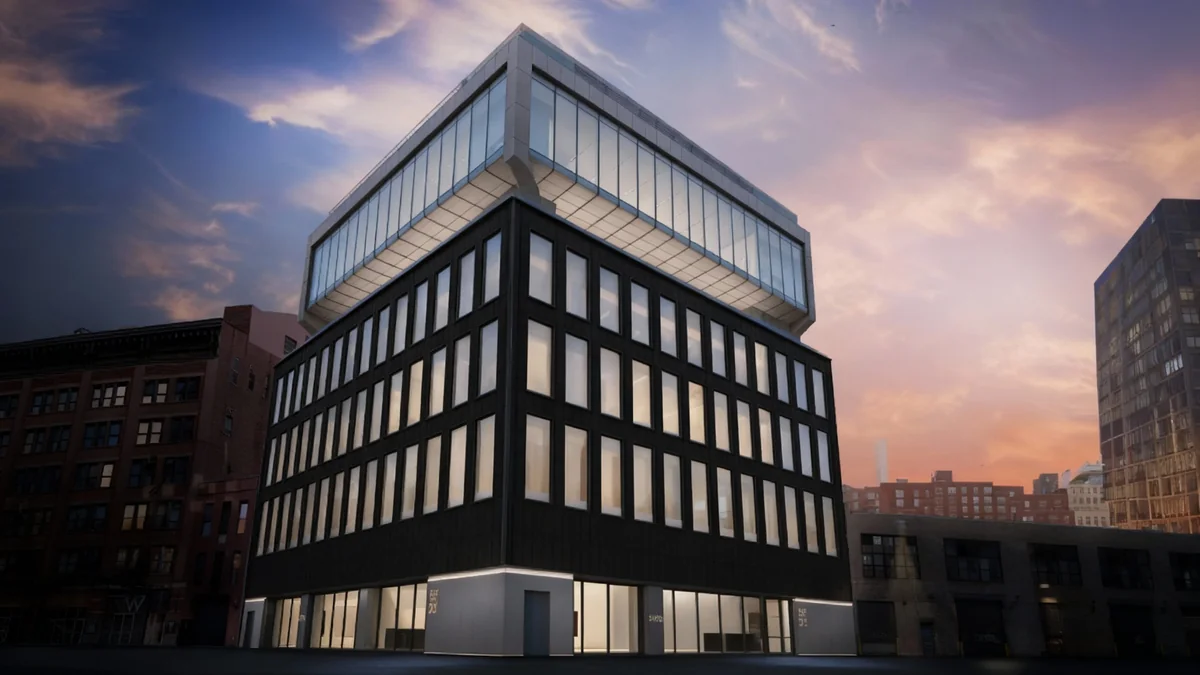
The gallery plans to open a dedicated space on New York’s Upper East Side by summer 2026. A major historical exhibition is already scheduled for autumn of the same year. This initiative marks a shift in approach, focusing on combining strengths rather than engaging in rivalries.
Key Takeaways
- Pace Di Donna Schrader (PDS) Galleries will launch in spring 2026.
- The venture combines the expertise of Pace Gallery, Emmanuel Di Donna, and David Schrader.
- PDS aims to create a collaborative model for secondary-market art sales.
- A New York Upper East Side gallery will open in summer 2026, with an exhibition planned for autumn.
- The model integrates auctions, private sales, collection building, finance, and institutional relationships.
A New Collaborative Approach in the Art Market
The formation of PDS Galleries represents a unique alliance in the high-stakes world of art sales. This joint gallery, dedicated to secondary-market transactions, combines the extensive resources and expertise of Pace Gallery, art dealer Emmanuel Di Donna, and market veteran David Schrader. Their shared vision is to move beyond the intense competitive environment that often characterizes the art industry.
Arne Glimcher, a key figure behind Pace Gallery, has long advocated for innovation in the art world. He believes that true progress comes from combining strengths. Glimcher highlighted the current market's challenges, stating that an "obsession with competition has gotten us into a low margin, high overhead arms race that benefits neither the artists nor the clients." He sees the PDS model as the future, embracing networking and relationships.
Market Insight
Secondary-market art sales involve artworks being resold after their initial purchase from an artist or gallery. This sector accounts for a significant portion of the global art market's value.
Strategic Responses to Market Evolution
David Schrader, who previously developed Sotheby’s private sales division, views PDS as a strategic response to a changing market. He noted that the art market has "outgrown its old architecture." This new gallery structure aims to provide a more comprehensive solution for collectors and institutions.
Emmanuel Di Donna brings his deep knowledge and connoisseurship, honed from operating one of New York's most respected secondary-market galleries. His expertise in identifying and valuing significant artworks will be central to PDS’s offerings. Pace Gallery contributes its global network of spaces, strong relationships with artist estates, and decades of institutional credibility.
"Pace, Di Donna, and David have pioneered a collaborative model which embraces the art world networking relationships. That’s the future."
— Arne Glimcher
Integrated Services for Collectors
PDS Galleries is not a simple merger of existing operations. Instead, it aims to create a unified platform that offers a range of services. Di Donna described their gallery as a "holistic experience." This means integrating various aspects of the art market under one roof, including private sales, collection building, and financial services.
The collaboration will also extend to institutional relationships, providing a broader scope for placing significant artworks. This integrated approach seeks to streamline the often complex process of buying and selling high-value art, offering clients a single point of contact for multiple needs.
Art Market Dynamics
The global art market is characterized by high transaction values and a diverse range of players, including auction houses, private dealers, and galleries. Collaboration among these entities has historically been less common, making the PDS model a notable development.
Addressing Market Inefficiencies
The art market, particularly at its upper echelons, has sometimes faced criticism for its lack of cooperation. The PDS model directly challenges this tradition by promoting a collaborative framework. If successful, this venture could set a new standard for how major players interact and serve their clients.
This approach could lead to greater efficiency and transparency in secondary-market transactions. By combining specialized knowledge and global reach, PDS aims to reduce overheads and potentially offer better value for both sellers and buyers. The move highlights a growing recognition within the industry that traditional competitive models may no longer be sustainable for all segments of the market.
Future Outlook for Art Sales
The launch of PDS Galleries in 2026 will be closely watched by the art community. Its success could influence other major galleries and dealers to explore similar collaborative models. The art world is constantly evolving, and innovation often comes from rethinking established practices.
This venture also underscores the importance of strong relationships and networks in the art market. By leveraging the existing connections and reputations of Pace, Di Donna, and Schrader, PDS is poised to become a significant force. The focus on a "holistic experience" for clients could attract those seeking a more streamlined and integrated approach to managing their art collections.
- The new gallery seeks to integrate auctions, private sales, collection building, and financial services.
- It aims to improve efficiency and transparency in high-value art transactions.
- The model challenges traditional competitive practices in the art market.
- Success could inspire similar collaborative ventures among other major art players.
- PDS intends to leverage strong existing relationships and networks.
The art world is dynamic, with recent legal battles and record-breaking sales continually shaping its landscape. For example, a Madrid court recently ordered a Spanish count to pay nearly $1 million to his brother after selling a Goya portrait. Such events highlight the complex financial and legal aspects of art ownership and sales. PDS aims to navigate these complexities with a new, unified strategy.
Sotheby's London also recently showcased a lineup for its Old Master and 19th Century Evening Sale, featuring works unseen for a century. The continuous flow of historical and contemporary art into the market demands sophisticated sales strategies. PDS's collaborative structure could offer a robust solution for handling these diverse and valuable assets.