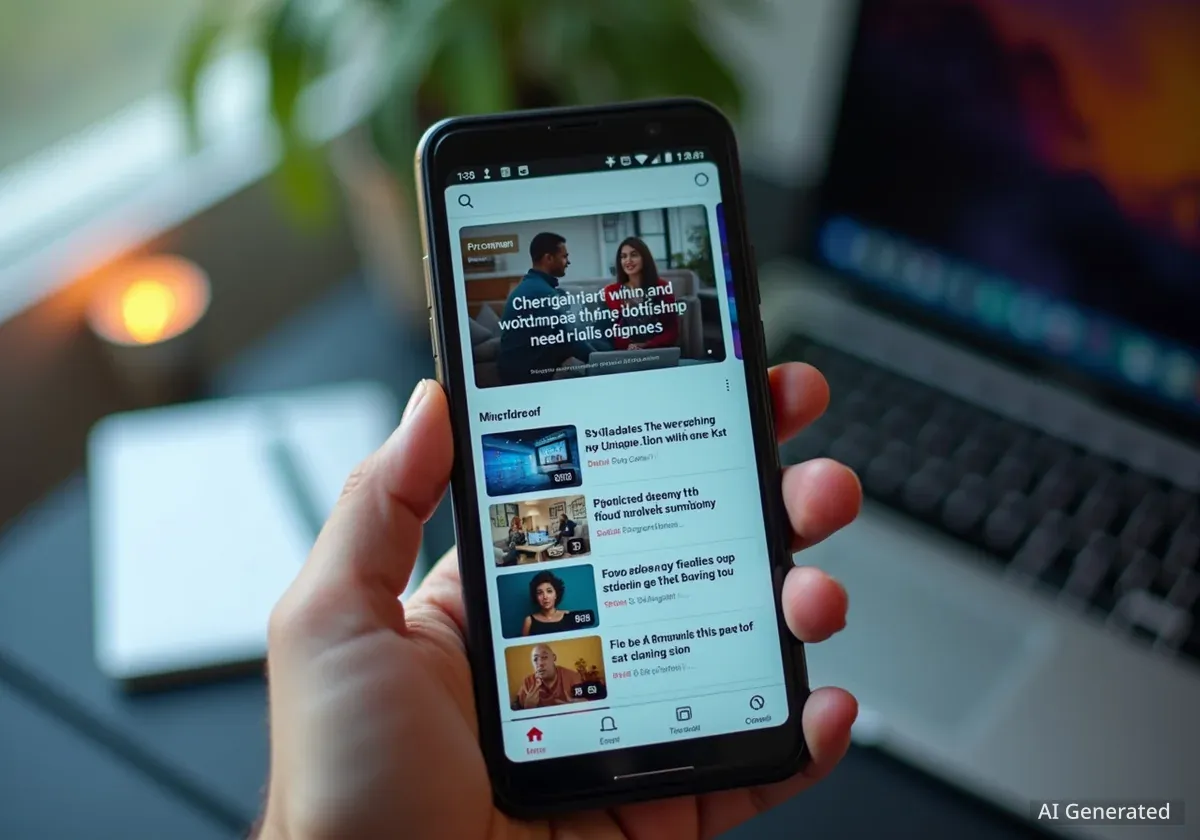




Google Discover is a powerful content recommendation engine that can drive significant traffic to websites. Understanding and implementing its best practices is crucial for publishers aiming to increase their visibility and audience engagement. This guide outlines key strategies for optimizing content for Google Discover, focusing on unique, factual, and mobile-friendly approaches.
Key Takeaways
- Content must be 100% unique and factual, avoiding plagiarism.
- Articles need to be mobile-first, with short paragraphs and clear headings.
- Focus on evergreen and trending topics that resonate with user interests.
- High-quality, engaging visuals are essential for Discover cards.
- Ensure strong E-E-A-T signals: Expertise, Experience, Authoritativeness, and Trustworthiness.
Understanding Google Discover's Core Principles
Google Discover operates by understanding user interests and providing personalized content. It uses search history, watched videos, location data, and app usage to build a profile of each user. This personalization means content that performs well is often highly relevant to an individual's specific tastes and behaviors.
The platform prioritizes content that is fresh, engaging, and authoritative. It is not a search engine in the traditional sense, as users do not enter queries. Instead, Discover pushes content to users proactively. This makes optimizing for it distinct from standard SEO practices.
Content Uniqueness and Quality
One of the most critical factors for Google Discover is content originality. Google emphasizes that articles must be 100% unique. This means no copied text, paraphrasing, or AI-generated content without significant human editing and value addition. Plagiarized content will not only fail to appear in Discover but can also negatively impact a website's overall search performance.
According to Google's guidelines, content should provide genuine value. This involves offering new insights, comprehensive information, or a unique perspective on a topic. Simply rewriting existing articles without adding substantial value is unlikely to succeed.
Did You Know?
Google Discover reaches over 800 million users monthly, making it a significant traffic source for publishers worldwide.
Mobile-First Design and Readability
Google Discover is primarily a mobile experience. Therefore, content must be designed with mobile users in mind. This includes a responsive design, fast loading times, and a clear, scannable layout. Short paragraphs are essential for readability on smaller screens, typically 2-3 sentences maximum.
Headings and subheadings should be used frequently to break up text and guide the reader. A good rule of thumb is to have a natural content break every 150-200 words. This improves user experience and helps Google understand the article's structure.
Visual Content and Engagement
High-quality images and videos are paramount for Google Discover. The platform prominently features visuals on its cards. Articles require compelling, relevant images that capture attention. Google recommends using large images (at least 1200 pixels wide) and enabling the max-image-preview:large setting.
"Visuals are the first point of contact for users on Discover. A strong, relevant image can significantly increase click-through rates," states a Google Discover optimization expert.
Videos can also be highly effective. Publishers should consider integrating short, informative videos directly into their articles. These videos should complement the text and provide additional value to the reader.
Topical Relevance and E-E-A-T
Google Discover identifies user interests and serves content based on these interests. This means publishers should focus on topics that are either trending or evergreen and align with their audience's known preferences. Monitoring popular topics in your niche is crucial for content strategy.
The concept of E-E-A-T (Experience, Expertise, Authoritativeness, and Trustworthiness) is vital. Google prioritizes content from sources that demonstrate these qualities. This includes clear author attribution with a professional bio, accurate factual information, and a strong editorial process.
E-E-A-T in Practice
To enhance E-E-A-T, ensure author profiles are detailed, cite sources where appropriate, and maintain a reputation for accuracy and reliability in your niche. Websites with a history of publishing high-quality, truthful content are favored.
Structured Data and Technical SEO
While Discover is less about traditional search queries, basic technical SEO practices still apply. Ensuring your website is fast, secure (HTTPS), and mobile-friendly are foundational requirements. Implementing structured data, such as Schema markup for NewsArticle, can help Google better understand your content.
A clean website architecture and clear internal linking also contribute to overall site health, which indirectly supports Discover visibility. Google's algorithms consider the overall quality and accessibility of a website when recommending content.
Engagement and Freshness Signals
Google Discover favors content that generates engagement. This means articles that receive high click-through rates, longer dwell times, and shares are more likely to be featured. Publishers should aim to create content that is genuinely interesting and encourages interaction.
Freshness is another key signal. While evergreen content has its place, regularly publishing new, timely articles on relevant topics keeps a site active and signals to Google that it is a current source of information. A consistent publishing schedule can be beneficial.
- Consistent publishing: Aim for a regular content schedule.
- Timely topics: Cover current events and trending subjects.
- User engagement: Encourage comments and shares where appropriate.
Avoiding Common Pitfalls
Several practices can hinder Discover visibility. These include clickbait headlines, sensational language, and misleading information. Google aims to provide a high-quality user experience, and content that deviates from factual, straightforward reporting is penalized.
Additionally, overly promotional content or articles with excessive ads can negatively impact performance. The focus should always be on delivering value to the reader. Approximately 60% of clicks on Discover cards lead to news articles, highlighting the platform's preference for informative content.
In summary, optimizing for Google Discover requires a multifaceted approach centered on high-quality, unique, mobile-friendly content, strong visuals, and a commitment to E-E-A-T. By adhering to these guidelines, publishers can significantly enhance their chances of reaching a broader audience through this influential platform.