A significant affordable housing project for LGBTQ+ seniors in San Francisco's Castro neighborhood has secured crucial funding from the California Department of Housing and Community Development. The development at 1939 Market Street is now set to begin construction in the spring or summer of next year, promising a new community for older adults.
This 15-story building represents a major step forward in providing safe, accessible, and supportive environments for a vulnerable population in one of the city's most iconic districts. The joint venture between Mercy Housing and Openhouse aims to create a vibrant, inclusive space.
Key Takeaways
- Construction for 1939 Market Street expected by next summer.
- Project will create 188 affordable units for LGBTQ+ seniors.
- Secured funding from California Department of Housing and Community Development.
- Features include specialized units for mobility and communication needs.
A Vision for Inclusive Senior Living
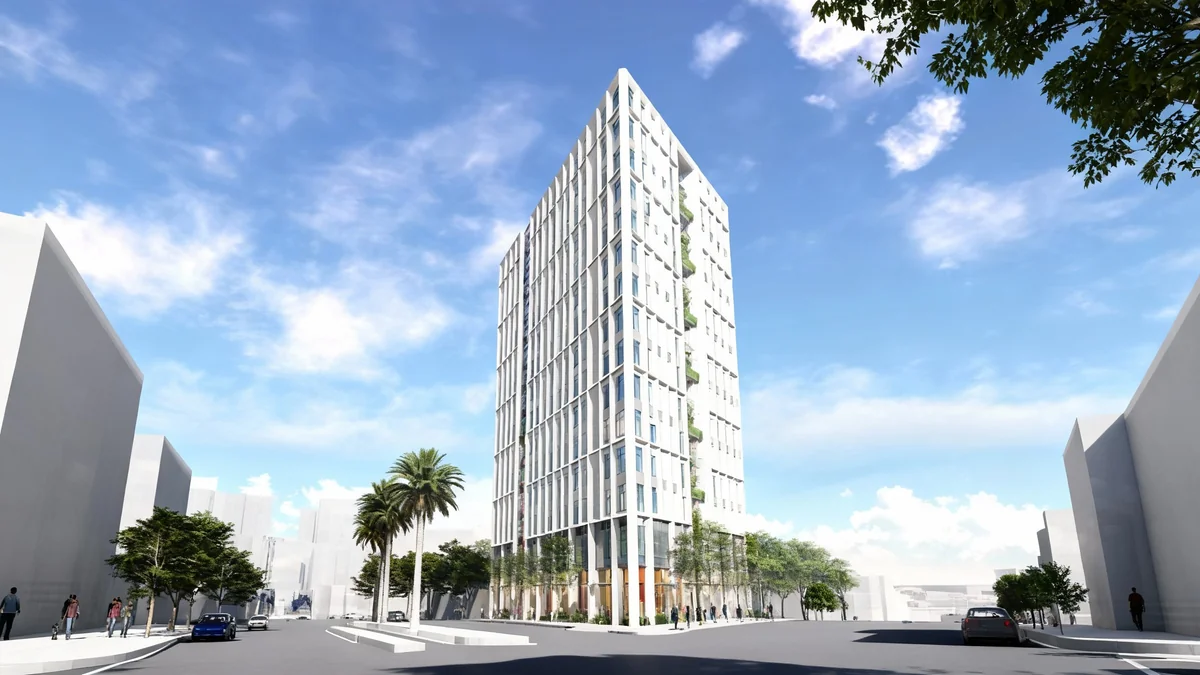
The 1939 Market Street project is designed to be a hub for LGBTQ+ seniors, offering not just housing but also a supportive community. The building will stand 159 feet tall, providing a prominent new landmark in the area. It will yield approximately 145,280 square feet of total space.
Of this, 93,070 square feet will be dedicated to housing. An additional 1,700 square feet is planned for commercial use, integrating the building with the broader neighborhood. The design prioritizes sustainability and transit access, aligning with modern urban development goals.
Tiffany Bohee, President of Mercy Housing California, shared, “by pairing affordable, service-enriched housing with climate-conscious design and transit access, 1939 Market will offer homes for LGBTQ+ seniors while contributing to a healthier, more resilient San Francisco. This AHSC award affirms our shared commitment to sustainability and equity and provides critical resources to make this vision a reality.”
Project at a Glance
- Height: 159 feet
- Total Square Footage: Approximately 145,280 sq ft
- Housing Square Footage: 93,070 sq ft
- Commercial Space: 1,700 sq ft
- Bicycle Parking: 23 spaces
- Car Parking: 0 spaces (transit-oriented design)
Tailored Living Spaces for Diverse Needs
The development will offer a variety of unit types to accommodate different resident preferences and needs. There will be 106 studio apartments, 80 one-bedroom units, and one two-bedroom unit. Two additional units, one one-bedroom and one two-bedroom, are designated for on-site management staff.
A significant aspect of the design is the inclusion of specialized equipment to meet varying resident requirements. For example, 19 units will feature enhanced communication equipment. A substantial 94 units are designed for mobility access, ensuring ease of movement for residents with physical limitations. Furthermore, 93 units will include roll-in showers, providing further accessibility.
The Need for LGBTQ+ Senior Housing
LGBTQ+ seniors often face unique challenges, including discrimination in traditional senior living facilities and a lack of culturally competent care. Projects like 1939 Market Street aim to address these issues by providing environments where older LGBTQ+ adults can live openly and receive affirming support, fostering a stronger sense of community and belonging.
Design and Architectural Features
Paulett Taggart Architects, in collaboration with YA Studio, are responsible for the architectural design of the building. The structure will conform to a distinctive triangular parcel of land, creating a striking knife-edge corner that overlooks Market Street and Duboce Avenue.
The exterior will feature a white-clad complex, framed by a vertical rectangular grid. A notable design element is the colorful rainbow window pattern that will rise above the main lobby door, a clear nod to the building's purpose and its location within the vibrant Castro district.
Co-founder of Openhouse, Dr. Marcy Adelman, emphasized the project's impact: “With the addition of 1939 Market Street, Openhouse will exponentially expand the number of safe, accessible, affordable, and supportive environments where LGBTQ+ older adults can live and thrive in community. Well done, everyone!”
Development Milestones and Future Outlook
The journey for this project has involved several key milestones. New building permits were initially filed in late 2022 and subsequently issued in October 2023. The Mayor’s Office of Housing and Community Development currently owns the property. Site control will transfer to Mercy Housing through a long-term ground lease agreement.
Swinerton and Rubecon will form a joint venture to serve as the general contractors during the construction phase. The total development cost is estimated to be at least $117 million. Project completion could occur as early as Spring 2028, offering a new home for many within five years.
San Francisco Mayor Daniel Lurie expressed his support, stating, “we are excited that this project at 1939 Market has officially received funding and is moving forward. This is an important step for LGBTQ seniors who deserve stability, dignity, and access to housing in the city they call home.”
This development signifies a commitment to creating inclusive and supportive communities for all residents of San Francisco, particularly its senior LGBTQ+ population. The focus on accessibility, sustainability, and community integration sets a precedent for future urban housing initiatives.
Community Impact and Broader Significance
The 1939 Market Street project is more than just a building; it represents a significant investment in social equity and urban resilience. By providing affordable, service-enriched housing, it directly addresses the needs of a community segment that has historically faced marginalization.
The integration of climate-conscious design and proximity to public transit not only supports environmental goals but also enhances the quality of life for residents, reducing reliance on personal vehicles and promoting a healthier urban lifestyle. This project exemplifies how thoughtful urban planning can foster both sustainability and social justice.
- Enhanced Community Support: Provides a safe and affirming environment.
- Economic Stability: Offers affordable housing options in a high-cost city.
- Sustainable Living: Promotes transit access and climate-conscious design.
- Increased Accessibility: Features specialized units for various needs.