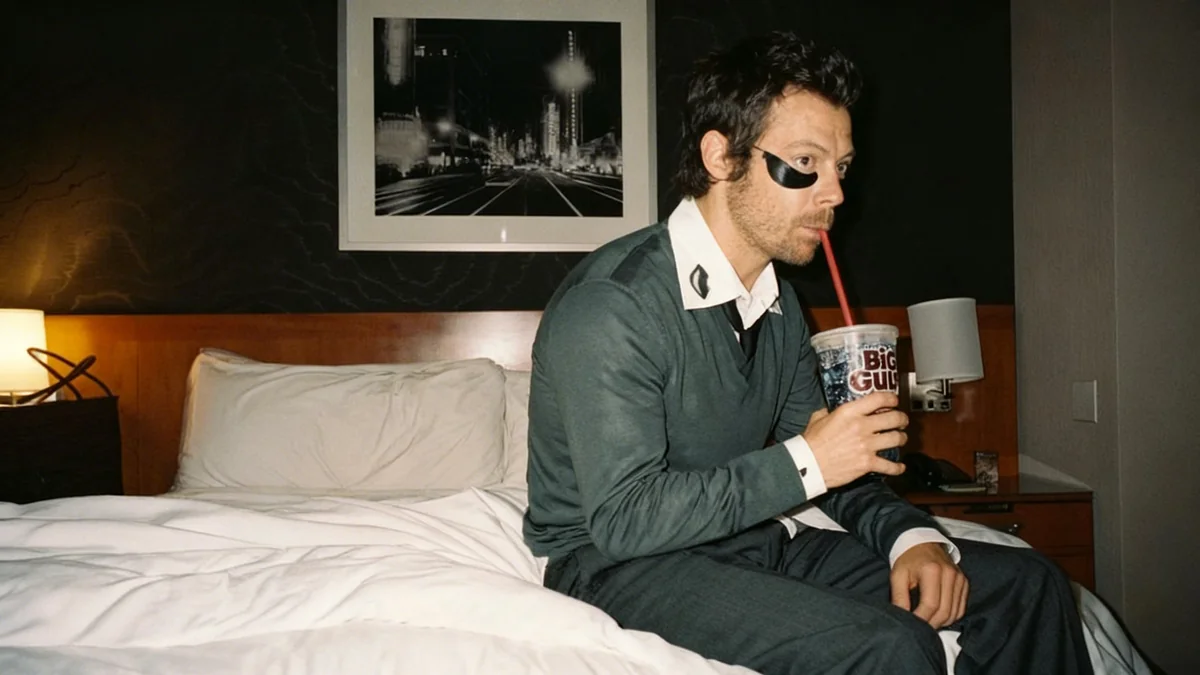

Singer Alex Warren faced a significant technical issue during his performance at the 2026 Grammy Awards. Just 30 seconds before taking the stage to perform his hit single "Ordinary," Warren discovered his in-ear monitors were not working correctly. This malfunction caused considerable distress for the artist, who was also nominated for Best New Artist.
Key Takeaways
- Alex Warren's in-ear monitors failed moments before his Grammy performance.
- He continued the performance despite hearing issues and echoing.
- Warren described the experience as "horrifying" and was visibly distraught.
- Fellow artist Chappell Roan offered words of comfort backstage.
- Olivia Dean won Best New Artist, an award Warren was also nominated for.
Technical Glitches Marred Live Performance
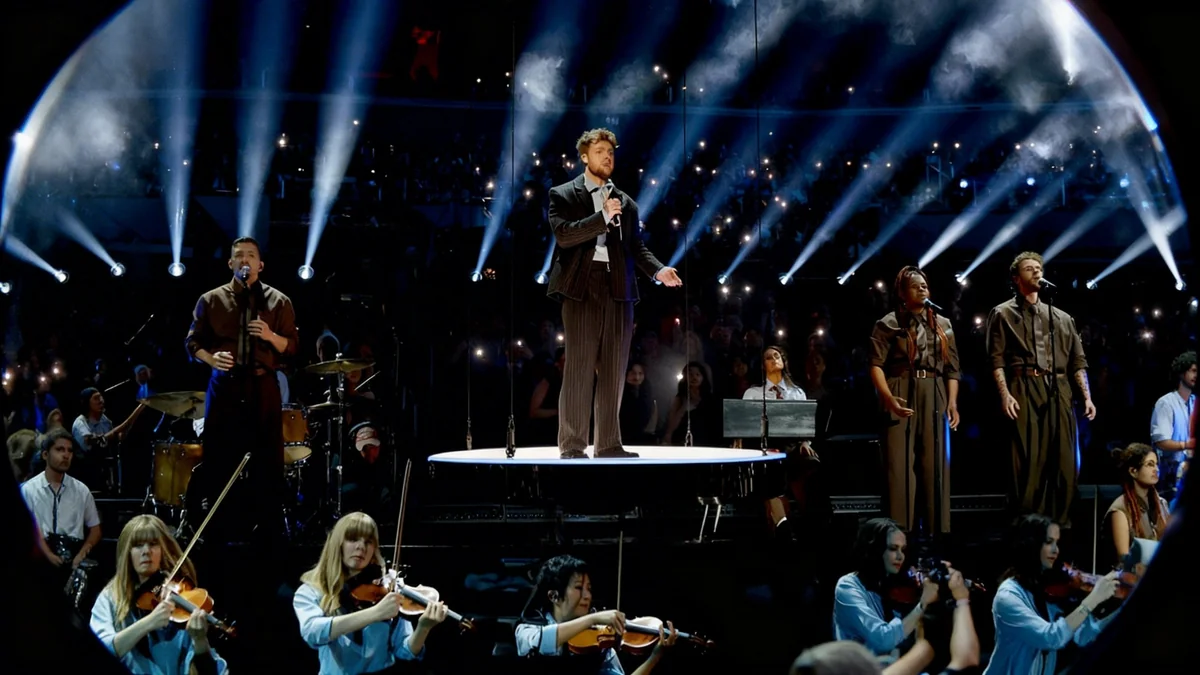
The incident occurred during a medley performance featuring several Best New Artist nominees. Warren was set to perform his track "Ordinary" following Katseye's segment. The sudden loss of his in-ears meant he could not properly hear his own voice or the backing track, a crucial element for live vocalists.
"It was horrifying," Warren later shared, describing the chaotic moments leading up to his set. He had rehearsed all week, ensuring every detail was perfect. The malfunction came as a complete surprise.
Performance Under Pressure
- Event: 2026 Grammy Awards
- Artist: Alex Warren
- Song Performed: "Ordinary"
- Issue: In-ear monitor failure
- Nomination: Best New Artist
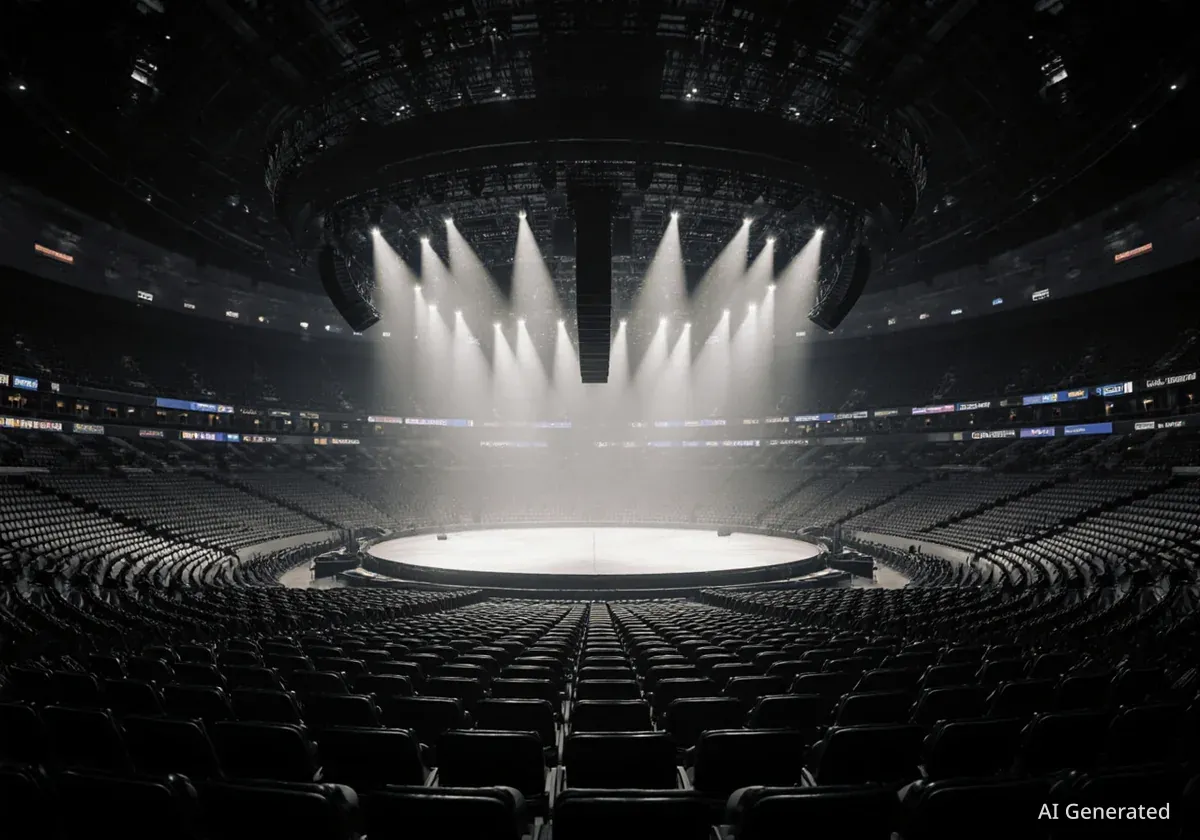
Warren speculated that the issue might have stemmed from radio frequency interference, possibly due to the large number of cellphones in use within the arena. Such interference can disrupt wireless audio equipment, leading to critical failures during live broadcasts.
Struggling Through the Set
During the performance, Warren reported hearing his voice "super loud" with no proper mix. He attempted to rectify the problem by removing his right in-ear, which only worsened the echoing. He quickly reinserted it when the sound briefly clicked back into place, but by then, much of his performance was already complete.
Adding to his discomfort, Warren found himself on an elevated platform high above the ground. He admitted to being "terrified of heights" and that this fear compounded the stress of the technical difficulties. His primary focus became simply getting through the song and returning to solid ground.
"I just wanted to get over it, and once I got over it and once we were at the top, come on. I'm terrified of heights. I'm horrified of heights and that entire time I wasn't thinking about, I was in the air. I was thinking, 'Please get me back on time.'"
The Role of In-Ear Monitors
In-ear monitors are essential tools for live performers. They allow artists to hear a customized mix of their own vocals, instruments, and other band members, isolated from the loud stage environment. This clear audio feedback is vital for pitch, timing, and overall performance quality. A malfunction can severely impact a singer's ability to perform effectively.
Post-Performance Distress and Comfort
Following his performance, Warren was visibly upset. He spent the remainder of the ceremony with his head on his wife's shoulder, avoiding eye contact and conversation with others. He described himself as "distraught" by the experience.
However, he found comfort in a kind gesture from fellow artist Chappell Roan, who won Best New Artist in 2025. Roan approached Warren's table, offering words of encouragement.
"She came up to me, and she was like, 'Dude, if anyone understands, it's the people in this room, and you sounded amazing.'"
Roan's understanding and support seemed to resonate deeply with Warren during a difficult moment. Her empathy provided a much-needed boost to his spirits.
Best New Artist Announcement and Aftermath
The timing of the technical issue was particularly unfortunate, occurring just before the announcement for Best New Artist. Warren had been hopeful for the award, but the performance mishap left him feeling defeated.
Backstage, he struggled to compose himself, fighting back tears as he was urged to return to his seat for the announcement. "I'm like, 'There's no shot I'm winning this. I just messed that up so bad,'" he recounted his thoughts at the time.
Ultimately, Olivia Dean was named the winner of the Best New Artist award. Warren expressed happiness for Dean, acknowledging her deserving win. However, the combination of the technical failure and the award loss made him eager to leave the event.
Grammy Moments
- Chappell Roan: Best New Artist winner, 2025
- Olivia Dean: Best New Artist winner, 2026
- Alex Warren's feeling: Wanted to leave the ceremony after the events.
The experience highlights the intense pressure artists face during live awards shows, where even minor technical issues can have a significant impact on performance and an artist's emotional state. Despite the challenges, Warren pushed through his set, demonstrating resilience under unexpected circumstances.
The Unpredictability of Live Events
Live television broadcasts, especially major events like the Grammy Awards, are complex productions. They involve intricate technical setups, tight schedules, and numerous moving parts. Even with extensive rehearsals, unexpected issues can arise.
Wireless technology, while offering freedom of movement for performers, is susceptible to interference from other devices and environmental factors. Sound engineers work diligently to prevent such problems, but a perfect scenario is not always guaranteed.
For artists, a live performance is often the culmination of months or even years of work. A technical glitch at such a high-stakes moment can be incredibly disheartening, regardless of how well the artist ultimately handles it.
Looking Ahead
Despite the setback, Alex Warren's appearance at the Grammys as a Best New Artist nominee signals a significant milestone in his career. His ability to continue performing through a severe technical difficulty demonstrates a professional dedication that many artists strive for. Fans and industry observers will likely remember his resilience.
The incident also serves as a reminder of the human element behind glamorous awards shows. Artists, despite their fame, are vulnerable to the same pressures and frustrations that anyone might experience when things go wrong in a crucial moment.