
Hamburg's State Opera is set to receive a striking new waterfront home in the city's HafenCity quarter. The 45,000-square-meter venue, designed by architecture studio BIG, will feature a unique landscape of concentric terraces, blending performance spaces with public green areas. This ambitious project aims to replace the opera's current 1950s venue, offering modern facilities for both the State Opera and the Hamburg Ballet.
Key Takeaways
- BIG designed a 45,000-square-meter waterfront venue for Hamburg State Opera.
- The design features a "landscape of concentric terraces" and a public park.
- It will house performance and production facilities for the State Opera and Hamburg Ballet.
- The new building will be located in the HafenCity quarter, near the Elbphilharmonie.
- Timber staircases and a sinuous main performance hall are central interior elements.
A New Vision for Public Architecture
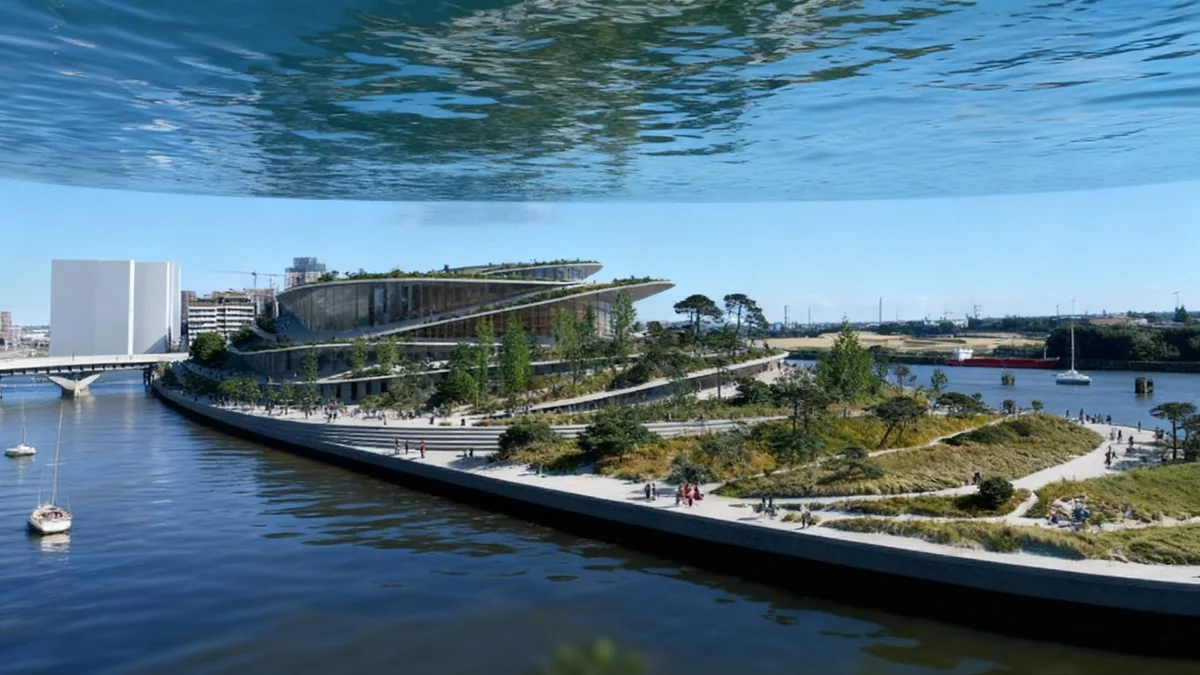
The design by BIG, led by studio founder Bjarke Ingels, envisions the opera house as a "public building within a park." This concept integrates the main performance volume with a rising landscaped garden. The upper floors will feature elevated terraces, creating a multi-layered public space that offers expansive views across Hamburg's old city, the new HafenCity, Lohse Park, and the industrial port.
Bjarke Ingels described the design, stating,
"The opera will appear like a landscape of concentric terraces – emanating like soundwaves from a central beating heart of music, expanding outward into the harbor like ripples on the surface of the sea."This poetic description highlights the fluidity and organic nature of the building's form, connecting it directly to its waterfront setting.
Project at a Glance
- Location: HafenCity quarter, Hamburg, Germany
- Size: 45,000 square meters
- Architect: BIG (Bjarke Ingels Group)
- Purpose: New home for Hamburg State Opera and Hamburg Ballet
- Key Feature: Concentric terraces and public garden
Integrating Opera with Urban Landscape
The new opera house will be situated on a peninsula, positioning it as a cultural landmark. It will stand close to the city's existing Elbphilharmonie concert hall, designed by Herzog & de Meuron, creating a notable cultural cluster along the waterfront. The design emphasizes public accessibility, allowing visitors to engage with the building and its surroundings in various ways.
Renders of the venue show a central volume containing the performance facilities. This central structure is wrapped by planted walkways at each level. Gaps between these curving walkways form large glazed openings along the facade. These openings provide both views and additional entry points into the interior spaces, blurring the lines between indoor and outdoor environments.
Transparency and Engagement
The transparent elements of the design are a deliberate choice to foster public engagement. Studio partner David Zahle explained,
"Visitors can move along the facades and glimpse into the foyer, rehearsal rooms, backstage areas and offices, revealing the complexity behind a working opera house."This approach aims to demystify the inner workings of an opera house, inviting the public to understand the creative processes that occur within its walls.
HafenCity Development
HafenCity is one of Europe's largest urban regeneration projects, transforming former port areas into a vibrant new district. It combines residential, commercial, and cultural spaces, emphasizing sustainable design and public access to the waterfront. The addition of the new State Opera house further solidifies HafenCity's role as a cultural hub for Hamburg.
Architectural Details and Interior Design
Around the main volume, an extensive garden, also designed by BIG's landscape studio, takes inspiration from "the movement of water." This landscape design incorporates terraces, dunes, and wetland gardens to manage storm surges effectively, showcasing a blend of aesthetics and practical environmental considerations. Stone walkways at ground level will guide visitors through the park's varied topography to a prominent glazed entrance.
Inside, the building features a lofty foyer. The studio describes this space as an "urban living room," designed to be welcoming and grand. Two sinuous timber staircases will rise gracefully through the building, serving as key architectural features and guiding pathways for visitors.
Performance Spaces
The main performance hall continues the sinuous design theme with "concentric wooden rings" forming curving balconies. This creates an intimate yet grand atmosphere for operatic performances. Beyond the main hall, the venue will include a smaller studio stage, dedicated rehearsal rooms, and comprehensive back-of-house facilities to support the extensive operations of both the State Opera and Hamburg Ballet.
The project highlights BIG's ongoing commitment to innovative public architecture. The firm has recently unveiled other notable projects, including the Suzhou Museum of Contemporary Art with its ribbon-like roof, and a solar education center for New York's renewed East River Park. These projects underscore BIG's reputation for designs that integrate unique forms with functional and public-oriented spaces.